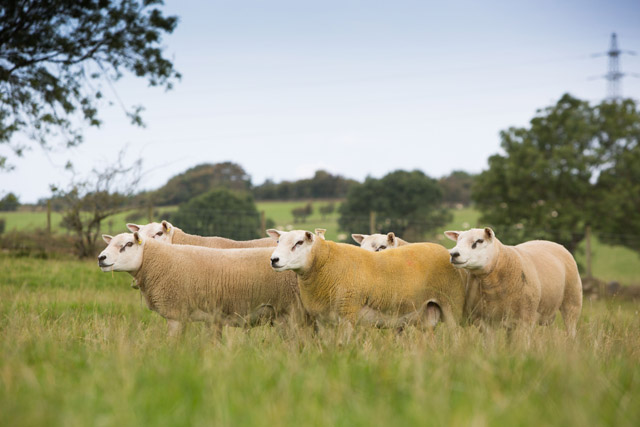
Using pedigree Texel rams can significantly increase margins compared to using non-pedigree Texels, according to recent research.
The research, undertaken by Tim Byrne, Peter Amer and Tom Kirk of AbacusBio found that using a pedigree Texel ram as opposed to a commercially produced one is worth more than £100 a ram over a four year working life, explained Texel Sheep Society chief executive John Yates.
“On top of this using a performance recorded Texel ram as opposed to a non-recorded ram adds more than £250 a ram to a commercial producer’s bottom line over a four year working life, significantly increasing the income a flock can generate.
“Indeed, with about 100,000 Texel rams being used every year in the GB sheep industry, the total annual benefit could be more than £6m across the industry and when adding together the benefits of using a pedigree ram and a performance recorded pedigree ram the cumulative benefit is as much as £10m a year across the industry,” explained Mr Yates.
At a time when commercial producers are seeking reassurance and stability in the wake of political and economic uncertainty the benefits of using pedigree, performance recorded Texel rams are not to be ignored, he added. “Adding value to commercial sheep enterprises is never easy.
“However, making a simple change to using better rams of known performance and breeding is clearly one way of lifting income. A performance recorded, pedigree Texel ram could add more than £350 to the value of his progeny over a four year working life.”
Mr Yates said the added benefits came about as a result of continued genetic improvement in the pedigree and performance recorded Texel populations which was unmatched in non-pedigree breeding.
“The commitment to breed improvement shown by Texel breeders over more than 40 years has seen the breed rise from nothing to become the leading terminal sire in the UK, while also contributing significantly to the national flock, with more than 12.5% of ewes in the UK being Texel sired.”
The growing influence of the Texel breed as a sire of female replacements gives commercial producers another opportunity to profit from the breed, with its maternal qualities now becoming equally as well recognised as its terminal attributes, said Mr Yates.
“The future may be uncertain, but there is no doubt that the demand for high quality lamb, both domestically and internationally, means the role of the Texel breed is only set to grow. Texel breeders are committed to developing the breed further to suit the needs of the modern sheep producer and the Society’s work on genomics and performance recording is providing breeders with the tools to develop the breed at a faster pace than ever before.”